Designing Sustainable Urban Gardens: Modern Solutions by Pecina Pine Needles Feb 28, 2026
Let's start by addressing the need for sustainable urban gardens. As urban areas expand, they lose natural habitats that support biodiversity. Establishing urban gardens is a practical solution to this issue, offering refuge for birds, bees, and beneficial insects. These gardens not only beautify urban environments but also enhance air quality and contribute to climate change mitigation by sequestering carbon.
A key component in designing a sustainable garden is selecting native plants. Native species are well adapted to the local climate and soil, reducing the need for chemical fertilizers and excessive water. Pecina Pine Needles emphasizes the use of drought-resistant plants that thrive with minimal irrigation, thereby conserving valuable water resources. Converting traditional lawns to native plant meadows can drastically reduce water consumption and maintenance costs.
Incorporating green infrastructure such as green roofs and vertical gardens is another effective strategy. These solutions are particularly beneficial in urban settings, where space can be limited. Green roofs help manage stormwater, reduce heat island effects, and improve energy efficiency by insulating buildings. Vertical gardens not only provide architectural interest but also create lush habitats for urban wildlife. By integrating these elements into your garden design, Pecina Pine Needles offers clients a multifunctional approach to urban landscaping.
Sustainable urban garden design also involves smart energy management. Implementing solar-powered garden lights and utilizing renewable energy systems helps reduce carbon footprints. At Pecina Pine Needles, we advocate for composting organic waste, utilizing rain barrels for water collection, and employing energy-efficient tools to minimize environmental impact. These practices not only support sustainability but also reduce utility costs for homeowners.
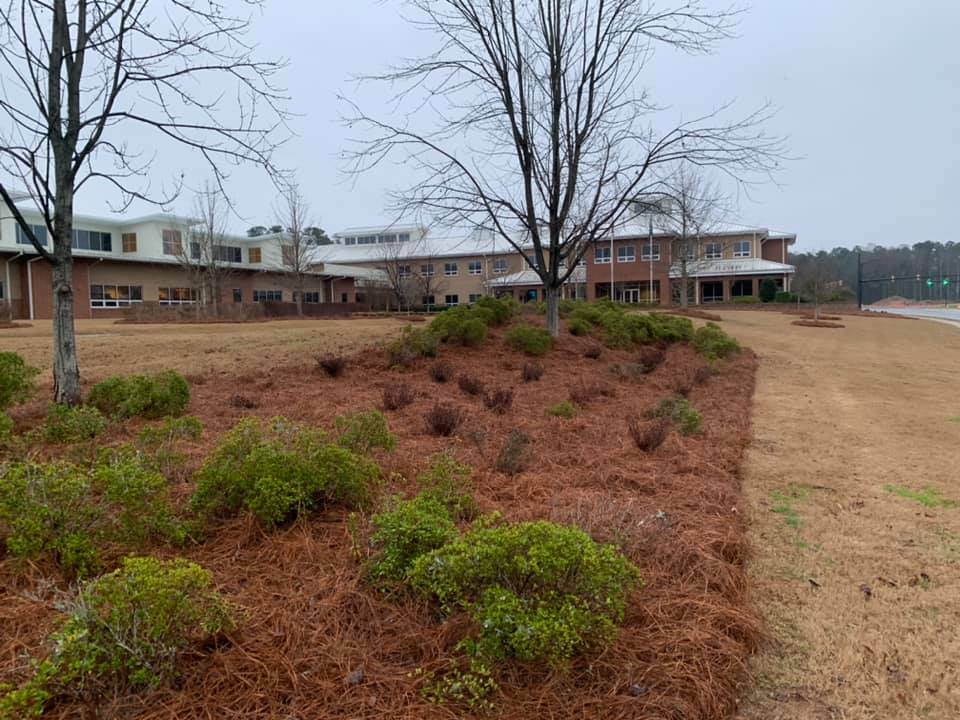
Furthermore, soil health plays a pivotal role in sustainable gardening. Healthy soil supports plant growth organically, reducing the need for chemical interventions. Pecina Pine Needles promotes practices such as mulching and crop rotation to maintain soil fertility. Mulching with organic materials like wood chips or shredded leaves conserves moisture and suppresses weeds, creating a healthier garden ecosystem. Engaging in these practices nurtures soil life, ultimately benefiting plant health and productivity.
In the heart of modern urban garden design is the notion of creating spaces that are both functional and aesthetically pleasing. Functional gardens can include areas for food production, recreational spaces, and therapeutic elements like sensory gardens. Pecina Pine Needles works closely with clients to tailor garden designs that meet their personal and environmental needs, incorporating paths, water features, and seating areas that harmonize with the surroundings.
In conclusion, designing sustainable urban gardens is a forward-thinking approach to reimagining urban landscapes. By utilizing native plants, implementing green infrastructure, and incorporating energy-efficient practices, Pecina Pine Needles ensures our gardens support ecological balance while providing a sanctuary for urban dwellers. As more city residents seek sustainable garden solutions, embracing these modern strategies will create urban environments that are not only sustainable but also vibrant and enjoyable spaces. Transform your urban garden with Pecina Pine Needles and join us in cultivating a greener future.
/filters:no_upscale()/filters:format(webp)/media/9520815a-1861-4a26-a931-004f0e3a89d7.jpg)
/filters:no_upscale()/filters:format(webp)/media/98a8019e-33ae-410b-b8de-84c29e1c55d0.jpeg)